Emergencies can happen anytime. Knowing basic first aid helps you respond quickly, stay calm, and possibly save a life.
Cuts & Bleeding
- Clean the wound with running water.
- Apply gentle pressure to stop bleeding.
- Cover with a sterile bandage.
- Seek medical care if the cut is deep, would not stop bleeding, or shows signs of infection.
- For heavy or spurting bleeding, go to a hospital emergency.
Burns
- Cool the burn with cool (not cold) running water for at least 10 minutes.
- Do not pop blisters.
- Cover with a clean, non-stick dressing.
- Get medical help for large burns or burns on the face, hands, feet, or groin.
Sprains & Strains
- Rest the injured area.
- Ice for 20 minutes at a time.
- Compress with an elastic bandage.
- Elevate above heart level.
- Seek urgent care if pain is severe, the joint looks deformed, or movement is limited.
Choking
- For adults and older children, perform the Heimlich maneuver.
- For infants, give back blows followed by chest thrusts.
- Seek hospital emergency if the person cannot breathe, speak, or cough.
Heart Attack & Stroke
Promptly get medical care if you notice chest pain, shortness of breath, nausea, or pain spreading to the arm, neck, or jaw. For stroke, check the FAST symptoms:
- Face drooping
- Arm weakness
- Speech difficulty
- Time to rush to hospital emergency
Be Prepared
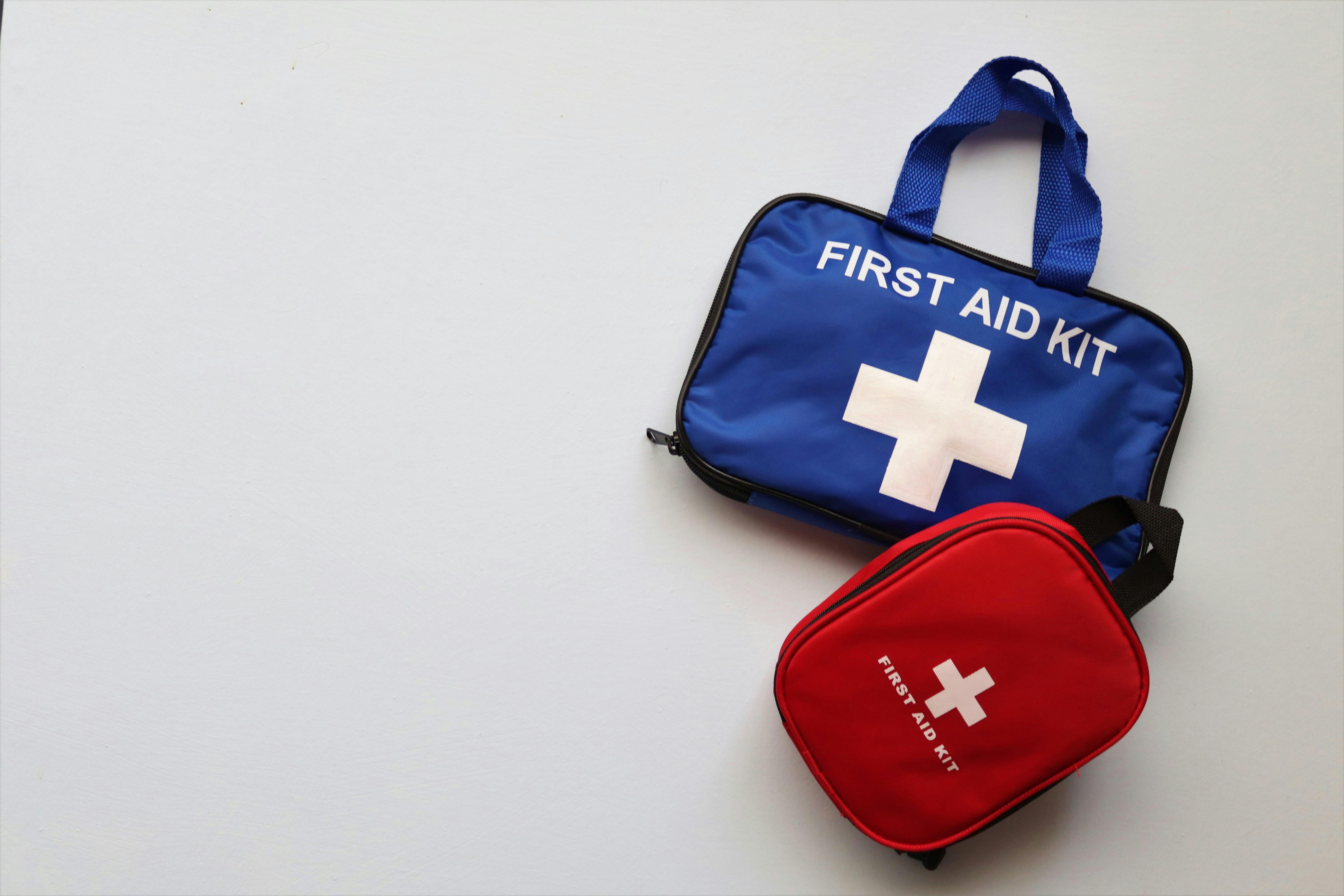
Keep a well-stocked first-aid kit at home and save emergency numbers on your phone. Taking a first-aid course can build confidence and help you act fast when it matters most.
Ref:https://www.inspirahealthnetwork.org. Accessed January 2026.
The article written above is for informational and educational purposes only. For serious medical and health concerns, please consult a licensed health provider.

 Store locator
 ORDER ONLINE
 Drug Information
